
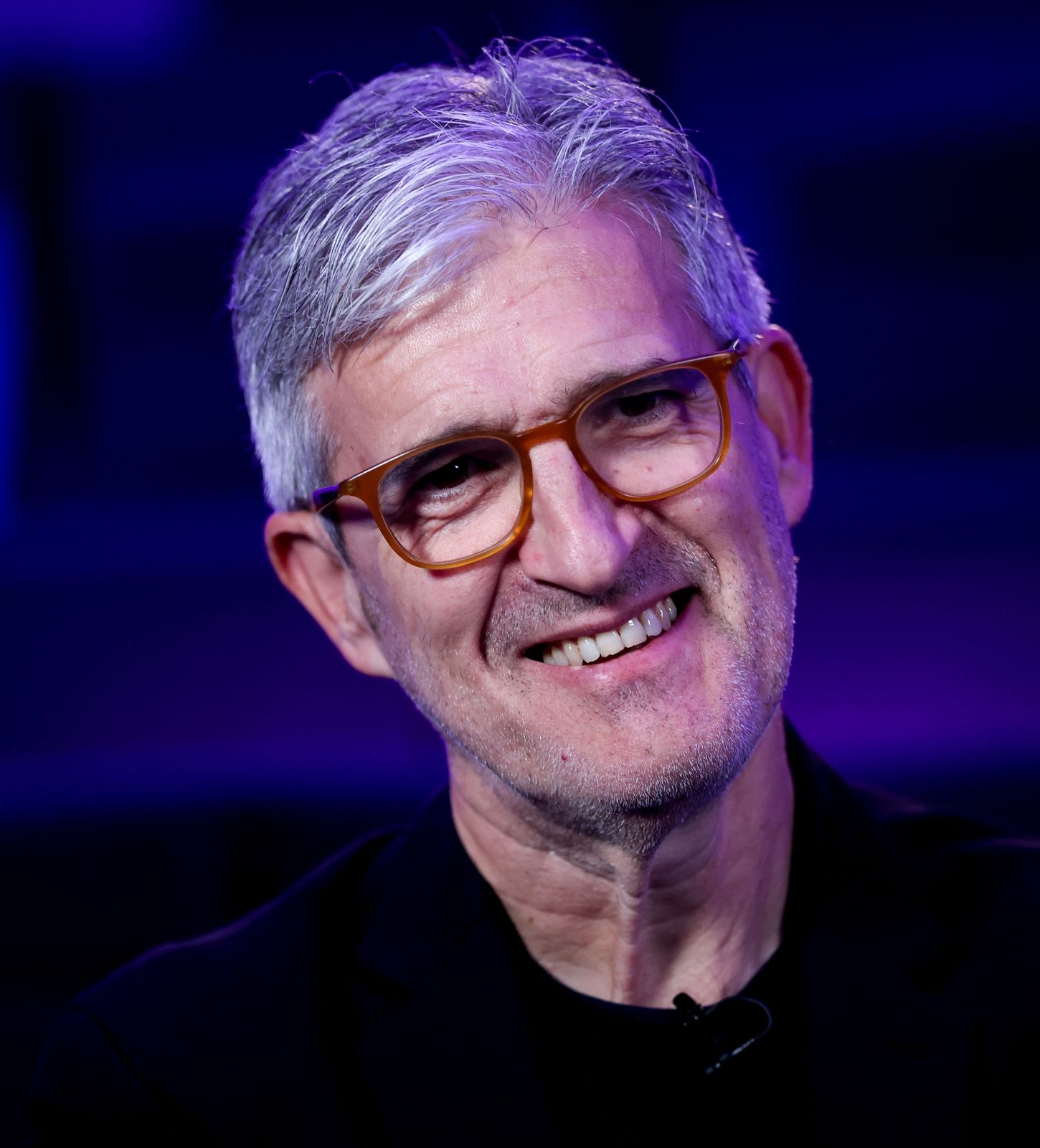
Roberto Olabe's first interview
Men
4 November 25
Roberto Olabe has sat down with VillaTV for his first interview since arriving as Aston Villa’s new President of Football Operations.
The 58-year-old replaced the outgoing Monchi in September, after a successful stint as Director of Football at Real Sociedad.
An experienced operator, Olabe discussed his past experiences in Spain, South America and Qatar, as well as what attracted him to the Villans and his ambitions for the future in B6.
Read every word from his first interview at the club’s Bodymoor Heath training base below…
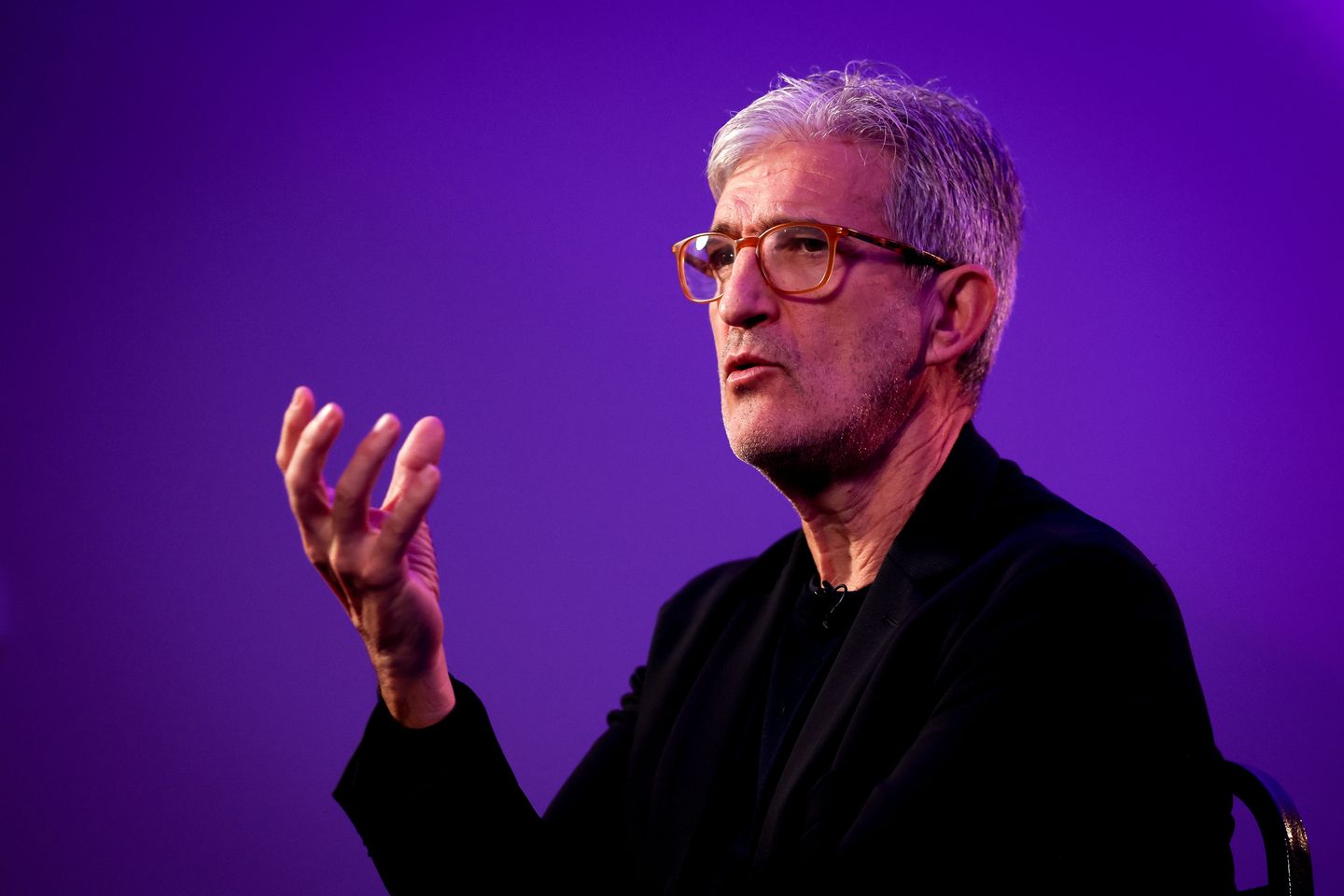
Roberto, welcome to Aston Villa. How have you settled into your new role and life in the UK?
“So, to be honest, still, I am learning. It’s a time, an important time to recognise, to know, to hear, to have context, but I am really satisfied how people (are) helping me. I feel that this solid environment that we have in the club, I need this time to know about the people, to help the coach, to be with different responsibles of each area. Definitely, I want to respect what happened right now here in Birmingham, in Aston Villa, and just in case I need to create one confident environment also about me before, to really start to be a part of this amazing project.”
What attracted you to the project, here at Aston Villa?
“So, some things different, but the first thing is the club. The name (of the) club, the history of the club. I (was) born in 1967 and when I (was) watching England football from outside with 13, 12, 15 years old, Aston Villa in this moment is a reference. This one, the historic, is really interesting for me. The second one is the competition. Premier League is the best one around the world and this competition in this club with this social environment, I think that is like: ‘wow, what a place!’ And the third, without doubt, is the project, because sometimes, it’s not just the club, it’s not just the city, it’s not just the competition, it’s really the project that we have between our hands. I feel that it’s one strong project with strong people working inside the project, and for me, it’s really one big opportunity to be part of this project, in this competition, inside this amazing club.”
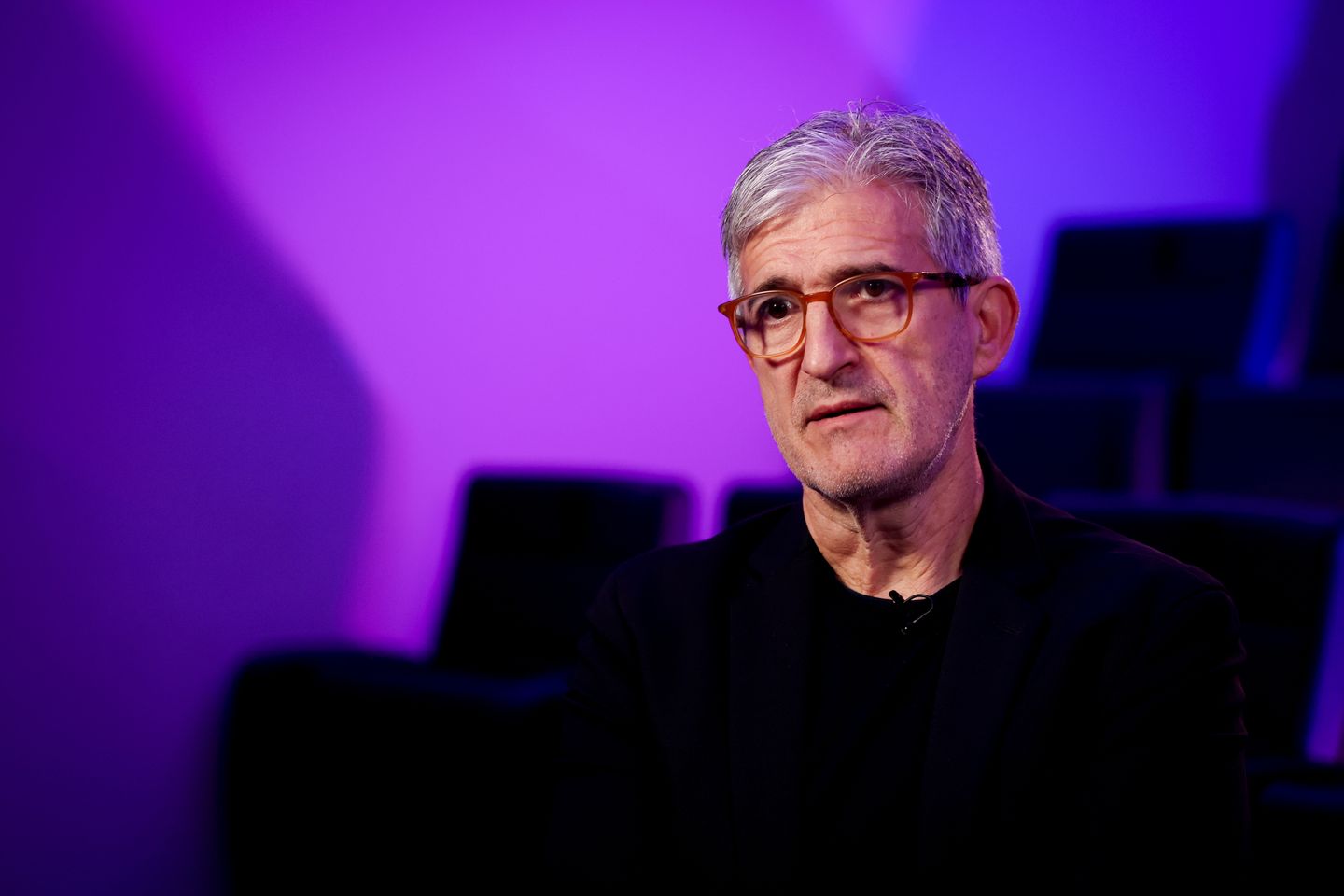
What conversations have you had with the owners about their ambitions for the club?
“So, I have (had) two different conversations, but I like the conversations that I had with the owners – with Nassef (Sawiris), Bashir (Lebada), with everybody too. I can feel that they want (to) keep developing the project. I mean, I feel that we are speaking about a very demanding project, and also one with one winner's mentality. These both things together is really, for me, one super challenge. So, I need to hear two different rhythms – manager, Unai (Emery), hear him in terms of what we need close to the first team. And I have another rhythm, another conversation, regarding the long term, the pathway, the strategy, and the future, because I like that the owners spoke about the future, not just now, also what we can do (to) develop. It was really amazing, this different kind of conversation with each one, to understand better and better this winning mentality in this, I repeat, demanding project.”
You mentioned Unai Emery there, you’ll be reuniting with him. How will you be working with him and with Damian Vidagany as well?
“I am starting. I know Unai, but it’s true that I know Unai more than 20 years ago in one professional moment. We fight together, we share together, we worked together too many times ago. It’s true that through the time, we are in touch. We spoke a lot of times of football, football players, life in general. But right now, we are in another context. I need to understand, I need to respect again, because they are doing one excellent job. Unai, close to Damian, even before with Ramón (Monchi), and I need to be part of this. I feel that this (is) the first time in my life, the first project, that I join ongoing. That’s why for me, it will be, not difficult, just different. That’s why, this time, to interpret the context, I think will be very important. And the base will be (to) be humble, to be ambitious but from the respect (of) what happened right now in the club, because this club is one historic club, it’s a winner’s club, with one so deep impact of the people (in the) Midlands, people around. That’s why I feel these important things, and that’s why I need to be ready to help in the future.”
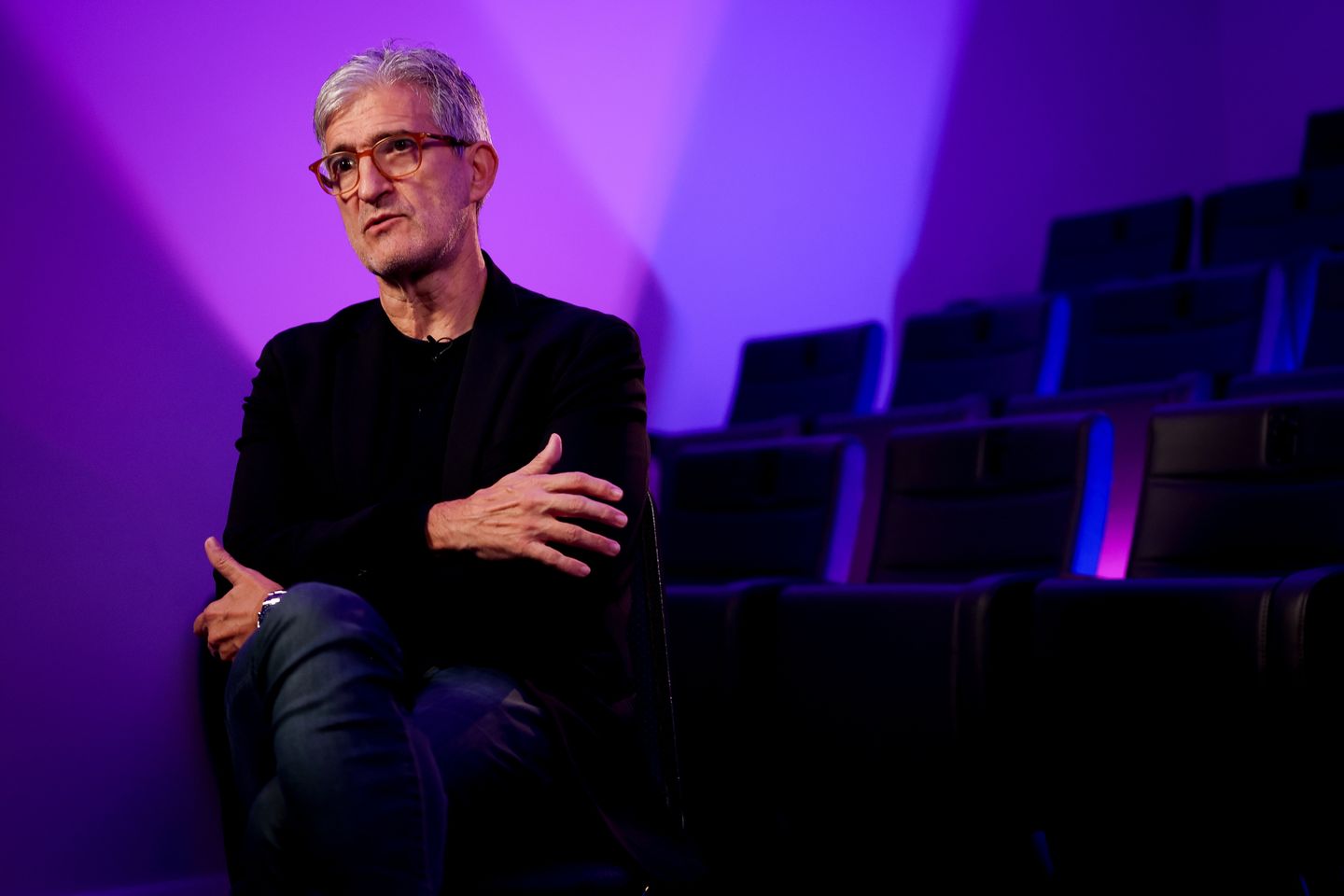
The club also has a President of Business Operations, Francesco Calvo. Two different remits for both Presidents, but the same objective?
“Yes, of course. Sometimes people maybe can interpret my role in general, the President of Football, or Football Director, or many natures of the word, in terms of just market, in terms of to work market. I think the market is very, very important, but the market will be just one consequence of the rest of the job that we have around inside the club. I think that will be key that my view will be open regarding the different areas. I have this view, this strategical view regarding to be transpersonal, to integrate everything, and I think that Francesco is a key person working in a key area, and we need to work together. Sometimes we need to be in contact, we need to have this same objective, because finally what happens is inside the field, okay, but what happens inside the field, you need to have this support regarding structure and an organisation, and structure in the organisation will be commercial areas, will be communication areas, will be academy, will be women. This is the way that I have to view one project, how we integrate. It’s not just speak one important thing. Important thing is every single day, how we are working around the club.”
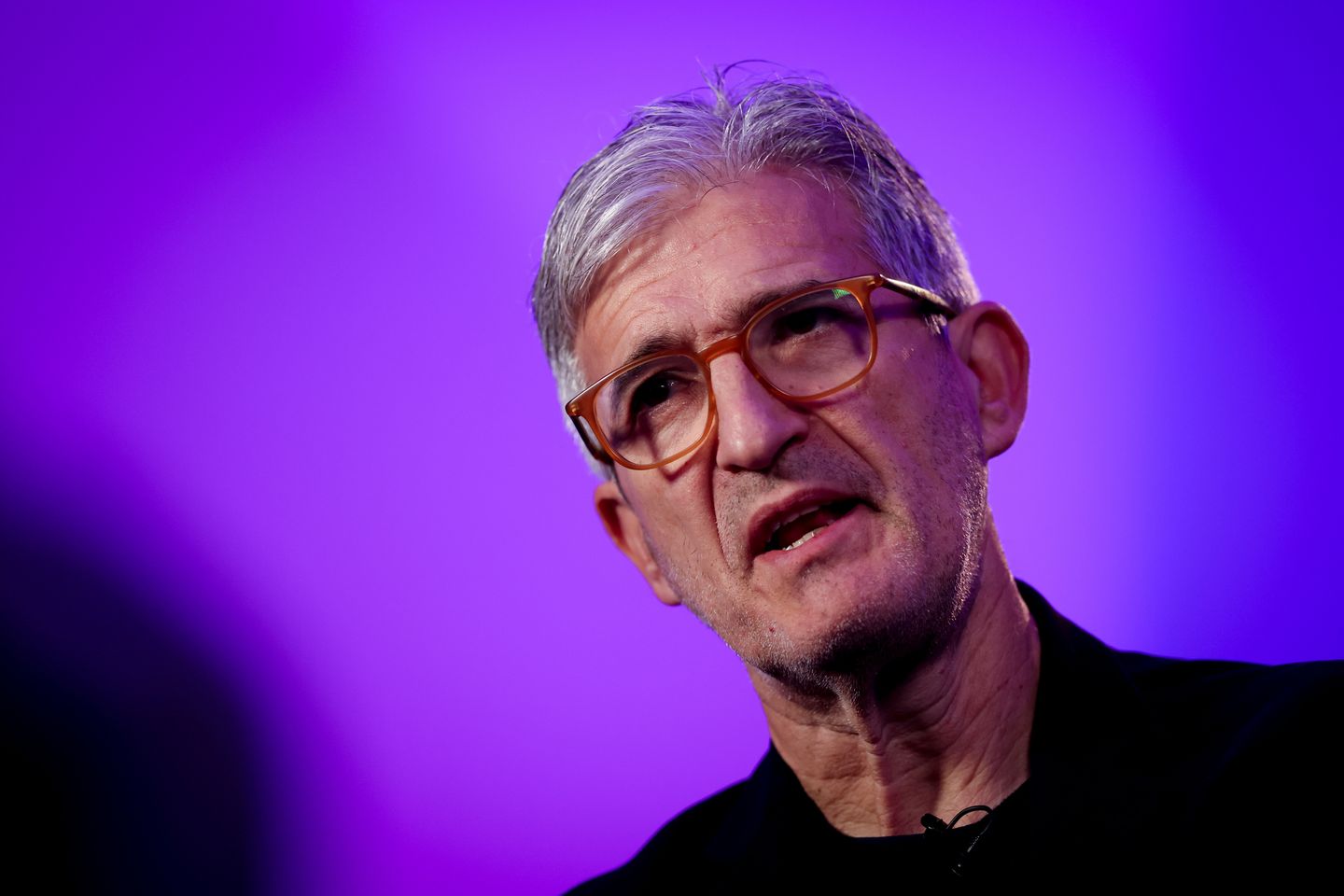
Tell us about your football journey – you’ve had great success at Real Sociedad in the past.
“So I am lucky to have many opportunities in my life. Football gave me many possibilities around the world. I was in the Middle East, I was in South America, I was in Spain, but always with the same mentality regarding daily job, daily work: try to be better and better each single day. It’s true that in every single project, I try to combine the talent and the lead. I love the talent, but I love to try to be champions, try to be one of the best, maybe in Spain, maybe in South America. If was in South America, I was thinking Copa Libertadores. If I was in Spain, I was thinking to win a cup or to play Champions League, or to play Europe even. If I was in Middle East, I was thinking in the World Cup. I need to create this challenge, thinking in developing a model, in developing process, but with this challenge, to try to achieve.”
And how can you use those experiences from around the world and at other clubs to your advantage here at Aston Villa?
“So, we’ll see. I know that I have, to many, experience, but I need to interpret in the best way, this context, in Aston Villa, in Premier (League), with the academy, with the first team, with the women, with the partner clubs, with everybody. I don’t know, again, I want to respect what is happening until this moment. I am not here to change, just in case. I am here to be deeper, to be better in some process. That’s why, sure, that I have a lot of experience, but still, I don’t know how we will impact. I know my profile, I know what I think about identifying talent, I know what I think about developing talent, I know what I think about the promotional talent, I know what I think about the pathway and the long term, the strategy, the structure, the organisation, the game model, the methodology, the scouting programme. I know, but still, I think that I need time to share with the people, to know, and at the moment, just in case, to propose what I think to develop here in Aston Villa.”
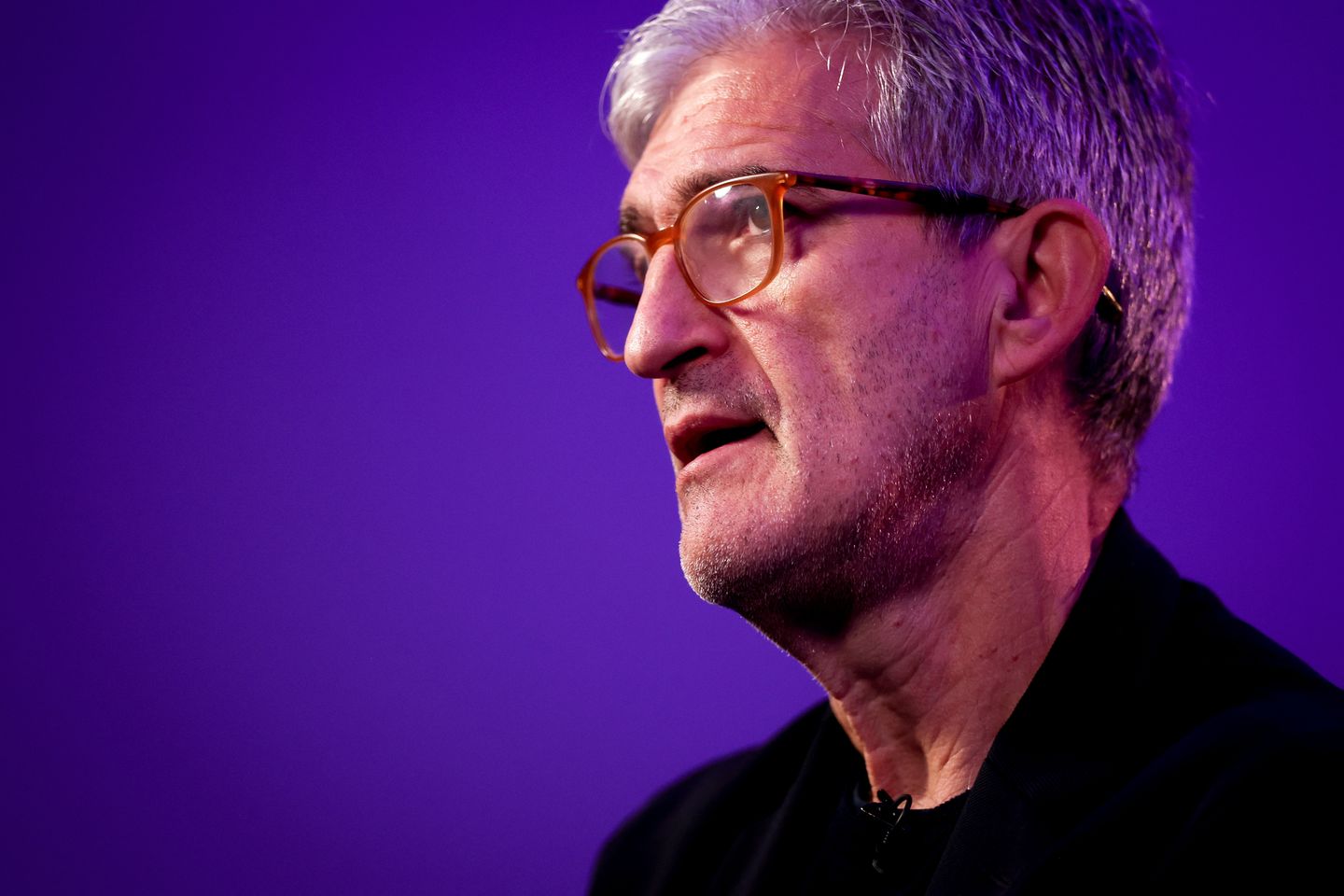
We’re not far away from January. Has planning already begun for strengthening the squad during the winter transfer window?
“So, always, transfer window is like Christmas, like summer holidays for the people. Special moments. I think the most important is what we have. We are really satisfied with the players that we have working with our staff, with the manager, with Unai. But it’s true that our mentality is (to) try to improve, in terms to find some solutions that will help us. Of course, if we have a window, if we have a market, we have an opportunity to be better. But again, we will be better just in case that our solid base of players will develop his skills and his qualities. I believe absolutely in our manager doing the job that he is doing with the actual squad. That’s why always we try to speak about the people that still are not here in terms of market, but the most important thing is the people that we have. We are quite calm and satisfied because we are watching how they are competing. We are watching how they are playing. We are watching how they are working daily. But definitely, yes, of course we want to improve, and if we have one possibility to improve the squad, I will try.”
And how much of an impact will PSR have on those plans to improve?
“So, we need to naturalise. It’s true that (there) are some rules around the social environment, around the football environment, and we want to respect these kinds of rules. Maybe we can agree, maybe we can disagree, but definitely, we need to respect, and from this, we need to adapt the way that we have to be in the market. But it’s important also, because the prestige of the club, it’s important to the people, so know that we are part of this actual environment, regarding, I mean, rules, and regarding, we will respect, but we work so hard to try to make balance between our needs and our possibilities.”
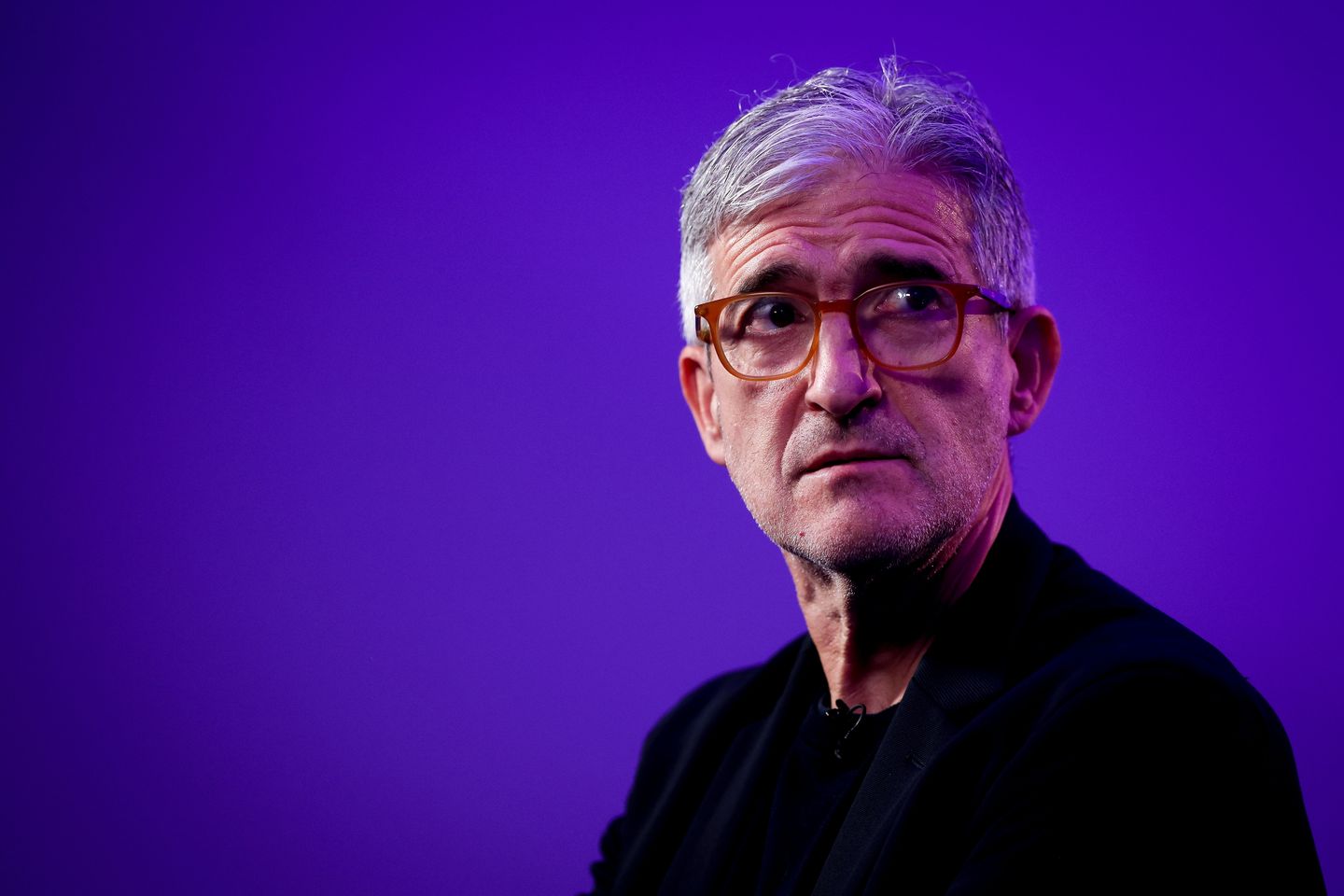
Just finally, you also have a reputation as someone who focuses heavily on creating a strong Academy system – identifying young talent and eventually promoting them into the first team. Is that something you would plan to replicate here at Aston Villa?
“So, first of all, I want to make importance of the job that he is doing, Mark (Harrison, Academy Manager), in the Academy. I think the job is amazing. We can see the impact in the internal tournaments. We can see the impact of players training with the first team. That’s why the first thing is to recognise the work that is done by Mark and the rest of the people inside the club. We need to be careful with this word, that’s ‘replicate’. Different places need different things, but it’s true, that again, I believe absolutely in the identification of talent process. I believe a lot in (developing) process, programmes, a lot to generate the idea that each single player is a project because you know in this game that is collective, sometimes we have the view in the collective success and really, the success, finally, will be each player that arrives to the first team. That’s why identification for me is very important, but development for me is the most hard problem that always I have in front, to create this line to promote the player, because this third step regarding promoting the player will be key, but to promote the player, you need to prepare to be ready, these kinds of players. Of course, we are happy to have winner teams, but to the first team don’t arrive the generations, just arrive some players of each generation. I try to push, to have this success regarding promotion of the players. Not easy, in the best league around the world, as Premier League shows us every single season, but it’s also for me a challenge – try to manage the people, try to prepare the people, try to have one daily mentality to find this success.”
Click below to watch Roberto Olabe’s first interview with VillaTV in full.


